An indian blessing wedding is a spiritual ceremony that reflects Indian culture and family values. This ceremony focuses on prayers, emotional bonding, and blessings rather than legal procedures. Many couples prefer this wedding style because it feels peaceful and meaningful. It allows families to come together and celebrate love with simplicity.
The idea behind this ceremony comes from ancient Indian traditions. Marriage was always seen as a sacred bond, often symbolized through a blessing box filled with prayers and goodwill from elders and nature. Even today, an indian blessing wedding carries that same emotional depth. It connects modern couples with cultural roots in a respectful way.
What Is an Indian Blessing Wedding?
An indian blessing wedding is a symbolic marriage ceremony based on Indian customs. It includes blessings from elders, priests, and close family members. The ceremony does not involve marriage registration or legal paperwork. Its purpose is to seek spiritual approval and emotional harmony.
Couples often choose this ceremony along with a civil marriage. This approach allows them to respect both law and tradition. The ceremony stays flexible and personal. This makes an indian blessing wedding suitable for many modern lifestyles.
Historical Background of Blessing Ceremonies
Indian culture has always valued blessings during important life events. Ancient scriptures describe marriage as a sacred duty supported by elders. Blessings were believed to bring peace, prosperity, and protection. These beliefs shaped traditional marriage practices.
Over time, legal systems developed, but cultural rituals remained strong. Families still believe in the power of spoken prayers. The indian blessing wedding reflects this historical continuity. It keeps ancient values alive in today’s world.
Spiritual Meaning and Importance
Blessings hold deep spiritual importance in Indian belief. People believe that kind words spoken with intention shape the future. In an indian blessing wedding, prayers guide the couple toward harmony. The ceremony creates emotional security and spiritual peace.
The spiritual setting helps couples feel calm and confident. Family blessings strengthen emotional bonds. This shared energy builds trust and respect. The ceremony becomes a powerful start to married life.
Common Rituals in an Indian Blessing Wedding
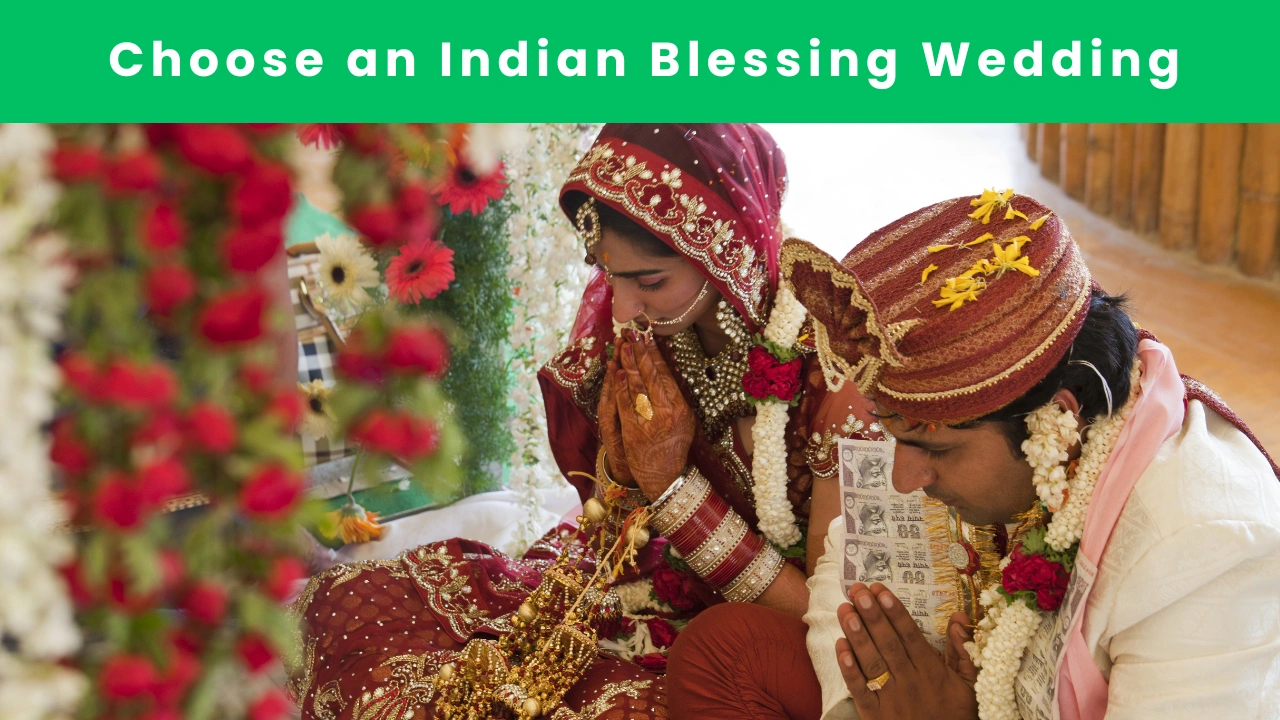
Most ceremonies include prayers and sacred chants. A priest often recites mantras focused on love and balance. Fire or lamps symbolize purity and lifelong commitment. Flowers represent growth and happiness.
Some families use rice or holy water during blessings. These elements symbolize prosperity and protection. Rituals differ by region and belief. The indian blessing wedding allows families to choose what feels right.
Role of Family and Elders
Family elders play an important role in the ceremony. Their blessings carry emotional and cultural value. Parents feel honored when they bless the couple. This moment strengthens family unity.
The presence of loved ones adds warmth to the ceremony. Support from elders gives confidence to the couple. These blessings stay meaningful throughout life. Family involvement defines the heart of the ceremony.
Difference Between Legal Marriage and Blessing Wedding
A legal marriage requires official registration and documents. It focuses on law and government approval. A blessing ceremony focuses on spirituality and emotion. It does not carry legal authority.
Many couples complete legal steps separately. This balance respects both tradition and law. The indian blessing wedding adds emotional depth to marriage. Legal procedures remain optional and independent.
Indian Blessing Wedding in Modern Times
Modern couples value flexibility and comfort. They prefer ceremonies that match personal beliefs. The indian blessing wedding supports cultural blending and modern needs. It adapts easily to changing lifestyles.
Interfaith and international couples often choose this ceremony. It respects diversity and inclusion. Rituals can be customized without pressure. This flexibility increases its global popularity.
Clothing, Decor, and Atmosphere
Couples often wear traditional Indian clothing. Bright colors symbolize joy and positivity. Some choose modern outfits with cultural elements. Comfort and meaning remain important.
Decor usually includes flowers, lamps, and sacred symbols. These elements create a calm and spiritual environment. Simple decor keeps the focus on blessings. The ceremony feels peaceful and elegant.
Location Choices for the Ceremony
An indian blessing wedding can take place anywhere. Homes, temples, and resorts are common choices. Many destination weddings include this ceremony. The setting remains flexible.
Outdoor locations add natural calmness. Scenic places create a peaceful mood. Families enjoy meaningful surroundings. The ceremony adapts easily to different locations.
Music and Ceremony Mood
Soft music helps create a calm atmosphere. Priests chant mantras during the ceremony. Sound enhances emotional connection. The mood remains sacred and peaceful.
Some families include classical instruments. Others prefer simple background sounds. The focus stays on blessings and prayers. This keeps the ceremony emotionally balanced.
Indian Blessing Wedding vs Traditional Indian Wedding
| Aspect | Traditional Indian Wedding | Indian Blessing Wedding |
|---|---|---|
| Legal status | Often legally registered | Not legally binding |
| Ritual length | Long and detailed | Short and flexible |
| Focus | Religious rules | Spiritual blessings |
| Customization | Limited | High flexibility |
Who Can Choose an Indian Blessing Wedding?
An indian blessing wedding is open to anyone who values cultural and spiritual meaning. Couples from different religions often choose this ceremony for its flexibility and respect. It does not require strict religious rules or formal procedures. This makes it a comfortable choice for modern couples seeking harmony.
International and same-sex couples also prefer this ceremony for its inclusive nature. Families appreciate its focus on blessings and emotional unity. The ceremony adapts easily to personal beliefs and traditions. An indian blessing wedding welcomes diversity while honoring Indian values.
Planning and Cost Considerations
Planning starts with choosing rituals and elders, guided by values like blessed are the poor in spirit which emphasize humility and sincerity. Couples discuss traditions with family members to create shared understanding. Clear planning avoids confusion and stress. Simplicity improves the overall experience and keeps the ceremony meaningful.
This ceremony usually costs less than traditional weddings. Fewer rituals reduce expenses. Small gatherings help manage budgets. Many couples prefer its meaningful simplicity.
Indian Blessing Wedding for Elderly Couples
An indian blessing wedding offers elderly couples a respectful and meaningful way to celebrate companionship. At this stage of life, emotional connection matters more than social formality. The ceremony focuses on peace, mutual support, and shared values. Families often appreciate the simplicity and dignity it brings.
This ceremony suits elderly couples because it avoids complex rituals and stress. Blessings from children and relatives create emotional warmth and acceptance. The calm environment supports comfort and sincerity. An indian blessing wedding allows elderly couples to begin a new chapter with grace and harmony.
Conclusion
An indian blessing wedding offers a meaningful way to celebrate love with culture and spirituality. It allows couples to receive blessings without the pressure of legal formalities. The ceremony focuses on emotional bonding, family support, and peaceful traditions. This approach helps couples begin married life with confidence and harmony.
In today’s modern world, this ceremony fits many lifestyles and beliefs. It respects tradition while allowing flexibility and inclusion. Families feel connected, and couples feel emotionally fulfilled. An indian blessing wedding remains a timeless celebration of unity, respect, and shared values.