The Priestly Blessing is a sacred prayer with deep roots in Jewish tradition. This prayer, known as the Birkhat Kohanim, has been recited for thousands of years. It holds a central place in Jewish rituals and continues to be part of worship services today.
The blessing was first mentioned in the Book of Numbers, where God commanded Aaron and his sons to offer it to the people of Israel. It is a blessing that invokes God’s protection, grace, and peace upon the recipients, often referred to as the blessing box of divine favor. The Priestly Blessing is seen as a powerful prayer that has transcended generations.
What is the Priestly Blessing?
The Priestly Blessing is a special prayer recited by the Kohanim, the Jewish priests, during worship services. It originates from the Bible, specifically in the Book of Numbers, where God instructs Moses to have Aaron and his sons bless the people of Israel. The blessing asks for God’s protection, grace, and peace to be bestowed upon the congregation.
The Priestly Blessing consists of three lines, each with a profound meaning. The first line asks for God’s blessing and protection, the second seeks God’s favor and grace, and the third requests peace for the individual and community. The Kohanim deliver the blessing with raised hands, symbolizing the transmission of divine energy from God to the people.
The Historical Origins of the Priestly Blessing
The origins of the Priestly Blessing date back to the time of Moses, as recorded in the Torah. In the Book of Numbers, God instructed Moses to have Aaron and his sons bless the people of Israel. This act was meant to bring God’s protection and favor to the Israelites.
The blessing was not just a casual gesture; it was a divine commandment. The Kohanim were specifically chosen to perform this sacred task, and they acted as intermediaries between God and His people. Their role in delivering this blessing symbolizes the special connection between God and the Jewish people.
The Role of the Kohanim
The Kohanim, descendants of Aaron, hold a special position in Jewish tradition. They perform key rituals and blessings, including the Priestly Blessing. Their role as spiritual leaders links them to the ancient practices of the Temple in Jerusalem.
Today, the Kohanim continue to serve in Jewish worship, particularly during holidays and Shabbat services. They recite the Priestly Blessing to bring God’s protection, grace, and peace to the congregation. This act emphasizes their sacred duty to mediate between God and the Jewish people.
Why is the Priestly Blessing So Important?
The Priestly Blessing holds great significance for both those who give it and those who receive it. For the people who are blessed, the prayer is a powerful reminder of God’s protection, love, and peace. It symbolizes a spiritual bond between the community and God’s divine presence.
For the Kohanim, the blessing serves as a fulfillment of their sacred duty. It is an opportunity for them to connect with God and offer His grace to the congregation. This ritual underscores the importance of the priestly role in Jewish worship and the continuity of Jewish tradition.
The Priestly Blessing in Modern Times
The Priestly Blessing continues to be an essential part of modern Jewish worship. It is recited during major Jewish holidays, such as Rosh Hashanah, Yom Kippur, and Passover, as well as during Shabbat services. The blessing provides a moment of spiritual reflection and connection to God.
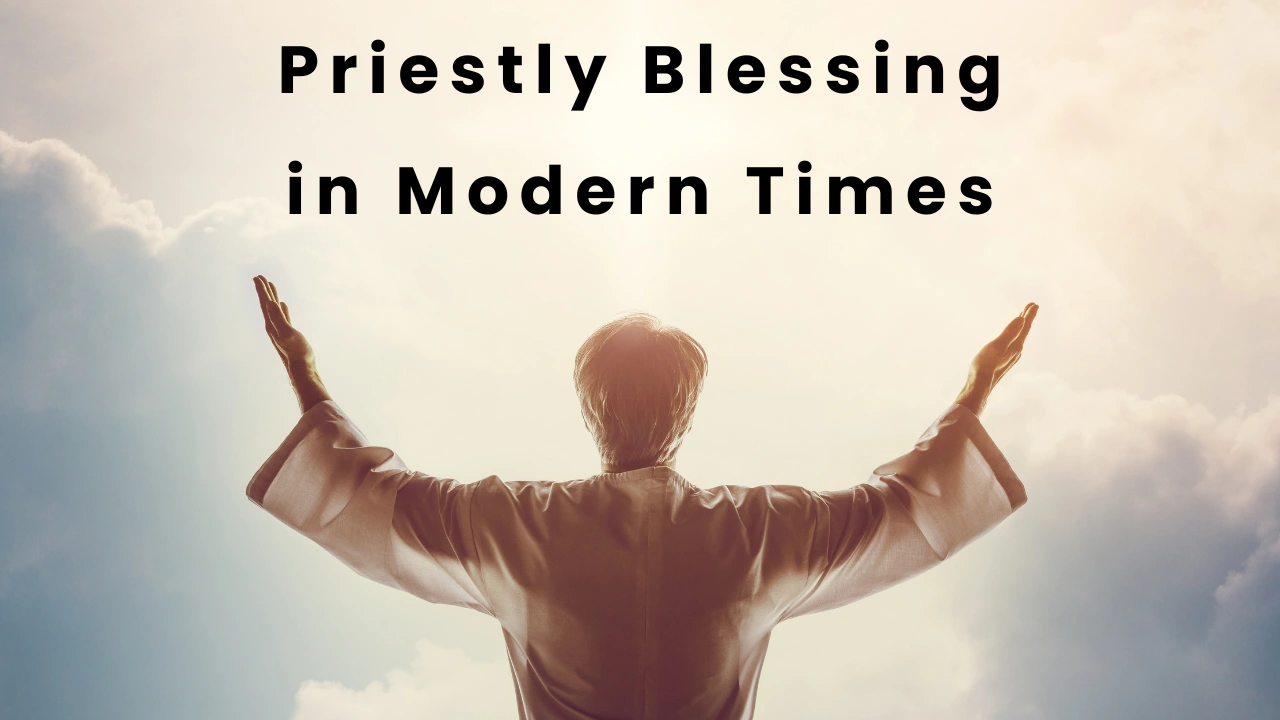
In modern times, the Priestly Blessing is also an important part of Jewish life cycle events, such as weddings and bar mitzvahs. It is a way to seek God’s favor for individuals at significant moments in their lives. Despite the passage of time, the blessing remains a vital and cherished tradition within the Jewish faith.
The Physical Gesture of the Priestly Blessing
In addition to the words of the Priestly Blessing, there is a physical gesture that enhances its meaning. The Kohanim raise their hands in a specific manner when delivering the blessing, a gesture that is symbolic of the transmission of divine energy. This act of raising the hands is deeply rooted in Jewish tradition.
The raised hands are meant to represent the presence of God and the Kohanim’s role as conduits of divine blessings. The shape of the hands, which forms a Hebrew letter shin (ש), further emphasizes the sacredness of the blessing. This physical act adds a visual element that enhances the spiritual experience.
The Priestly Blessing in Jewish Law
IJewish law considers the Priestly Blessing a mitzvah, or commandment, for the Kohanim to perform. The descendants of Aaron, who served as priests in the ancient Temple, continue to fulfill this responsibility today. The blessing remains a key part of Jewish worship, even without the Temple.
Jewish law specifies when and how the Kohanim should recite the blessing. The Kohanim deliver the Priestly Blessing during specific prayers and holidays. Halacha (Jewish law) stresses that the Kohanim must recite it with sincerity and respect, fulfilling their sacred duty with reverence.
Priestly Blessing in Jewish Weddings
The Priestly Blessing holds great significance in Jewish weddings, as the Kohanim recite it to invoke God’s favor and protection for the couple. The blessing asks for peace, grace, and love to surround the bride and groom as they begin their life together. This moment highlights the sacred nature of the union and connects the couple to the divine.
The blessing ensures a prosperous and harmonious marriage, filled with love and unity. It also reinforces the Jewish tradition, with the Kohanim passing down blessings through generations. In Jewish weddings, the Priestly Blessing invites divine grace into the couple’s life, making the occasion even more meaningful and sacred, much like the Wednesday blessings and prayers that seek to bring peace and favor each week.
Conclusion
The Priestly Blessing is a powerful and enduring prayer that has stood the test of time. It continues to be a central part of Jewish worship, offering protection, grace, and peace to those who receive it. The blessing serves as a reminder of the spiritual connection between God and His people.
For the Kohanim, the act of reciting the Priestly Blessing is both a responsibility and an honor. It allows them to fulfill their sacred role as mediators between God and His people. As a cherished tradition, the Priestly Blessing remains a source of comfort, hope, and spiritual connection for Jewish communities worldwide.