The unleavened bread Bible topic is one of the most meaningful studies in Scripture because it connects God’s deliverance, holiness, and salvation through Jesus Christ. From the first Passover in Egypt to the Last Supper with Jesus, unleavened bread appears at important moments in biblical history. It reminds believers that God rescues His people and calls them to live pure and faithful lives. Many Christians search for the unleavened bread Bible meaning to understand why God commanded Israel to eat bread without yeast and how this practice points to Christ.
What Is Unleavened Bread in the Bible?
The unleavened bread Bible teaching begins with a simple type of bread made from flour and water without yeast. Since it contains no leaven, the dough does not rise. This bread became important because God commanded the Israelites to eat it during the first Passover before leaving Egypt. Unlike regular bread, unleavened bread could be prepared quickly. Their quick departure became a lasting reminder of God’s power and faithfulness. Just as believers reflect on God’s deliverance through the Passover story, many also meditate on a bible made simple to remember His protection, peace, and unfailing care before they rest.
Why Did God Command the Israelites to Eat Unleavened Bread?
God gave clear instructions to Moses before the final plague in Egypt. Every Israelite family had to prepare a Passover meal that included roasted lamb, bitter herbs, and unleavened bread. God had several reasons for giving this command. First, the bread reminded Israel that they left Egypt in great haste. Second, it became a yearly memorial of God’s rescue. Third, removing leaven symbolized removing corruption and sin from everyday life.
First Passover and Beginning of a Sacred Tradition
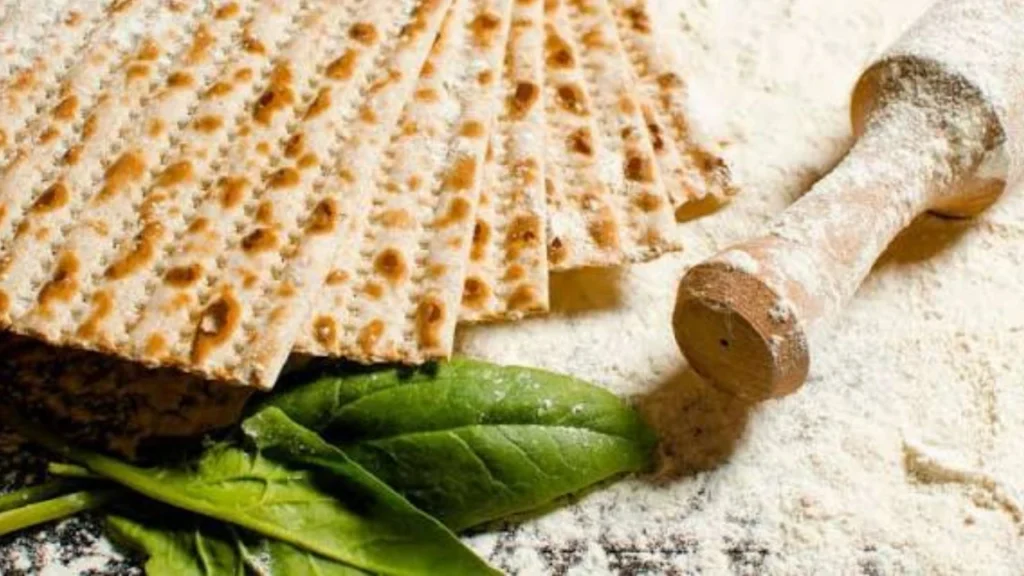
The story of the unleavened bread Bible theme begins in Exodus 12. God told His people to mark their doorposts with the blood of a lamb so the angel of death would pass over their homes. During that meal, they ate unleavened bread because there was no time to prepare ordinary bread. This event marked the birth of the Jewish Passover celebration. Every year afterward, families remembered God’s deliverance by repeating the meal according to His instructions. The Passover became one of Israel’s most important religious celebrations because it reminded every generation that God saves His people.
The Feast of Unleavened Bread
Immediately after Passover came the Feast of Unleavened Bread. This feast lasted seven days and reminded Israel to remember God’s faithfulness continually. During these seven days, every trace of yeast had to be removed from homes. Families carefully searched their houses before the feast began. This practice became both a physical and spiritual lesson. The feast taught people that just as yeast was removed from their homes, sin should also be removed from their hearts.
What Does Leaven Symbolize in the Bible?
Understanding leaven helps explain the deeper meaning of the unleavened bread Bible message. In many passages, leaven represents something that spreads quietly until it affects everything around it. Because of this quality, the Bible often uses yeast as a picture of sin, corruption, hypocrisy, and false teaching. Jesus warned His followers about the “leaven of the Pharisees,” referring to their hypocrisy and misleading teachings. Likewise, the Apostle Paul used leaven as a symbol of sin spreading through a church community.
Unleavened Bread in the Old Testament
Throughout the Old Testament, unleavened bread appears in several important events. It was offered during religious festivals, included in certain sacrifices, and connected with God’s covenant relationship with Israel. These repeated appearances showed that God’s people were called to live differently from surrounding nations. The Old Testament consistently connects unleavened bread with obedience, holiness, and remembrance.
Jesus and Unleavened Bread
One of the most important moments involving unleavened bread happened during the Last Supper. Jesus celebrated the Passover meal with His disciples before His crucifixion. Since the meal took place during Passover, many Bible scholars believe the bread Jesus broke was unleavened bread. When Jesus gave the bread to His disciples, He said that it represented His body, which would soon be given for them. Christ became the true Passover Lamb whose death brings eternal salvation.
The Apostle Paul’s Teaching
Paul explains the spiritual meaning of unleavened bread in 1 Corinthians 5:7–8. He tells believers that Christ is our Passover Lamb and encourages Christians to remove the “old leaven” from their lives. Paul teaches that followers of Christ should live with sincerity, truth, and holiness instead of allowing sin to grow. His message shows that the Old Testament feast still teaches valuable spiritual lessons for Christians today.
Symbolism of Unleavened Bread
The Bible uses unleavened bread to teach many spiritual truths that remain meaningful today.
| Biblical Symbol | Meaning |
|---|---|
| Purity | Living free from sin |
| Obedience | Following God’s commands |
| Deliverance | God’s rescue from slavery |
| Remembrance | Never forgetting God’s faithfulness |
| Holiness | Being set apart for God |
| Christ’s Sacrifice | Jesus gave His body for believers |
These symbols help readers understand why unleavened bread appears repeatedly throughout Scripture.
Key Bible Verses About Unleavened Bread
Several Bible passages explain its importance.
| Bible Reference | Main Teaching |
|---|---|
| Exodus 12:8–20 | First Passover and God’s command |
| Leviticus 23:6–8 | Feast of Unleavened Bread |
| Deuteronomy 16:3 | Bread of Affliction |
| Matthew 26:26 | Jesus breaks the bread |
| Mark 14:12–22 | Passover meal |
| Luke 22:7–20 | Institution of the Lord’s Supper |
| 1 Corinthians 5:7–8 | Christ our Passover Lamb |
These verses provide a complete picture of the biblical teaching.
Conclusion
The unleavened bread Bible study reveals one of Scripture’s richest symbols. From the night Israel escaped Egypt to the Last Supper shared by Jesus and His disciples, unleavened bread reminds believers of God’s deliverance, holiness, and saving grace. It teaches that God calls His people to leave behind sin, trust His promises, and remember His faithfulness in every generation. As Christians study the unleavened bread Bible, they gain a deeper understanding of the connection between the Old Testament Passover and the perfect sacrifice of Jesus Christ, the true Passover Lamb who brings eternal salvation to all who believe.